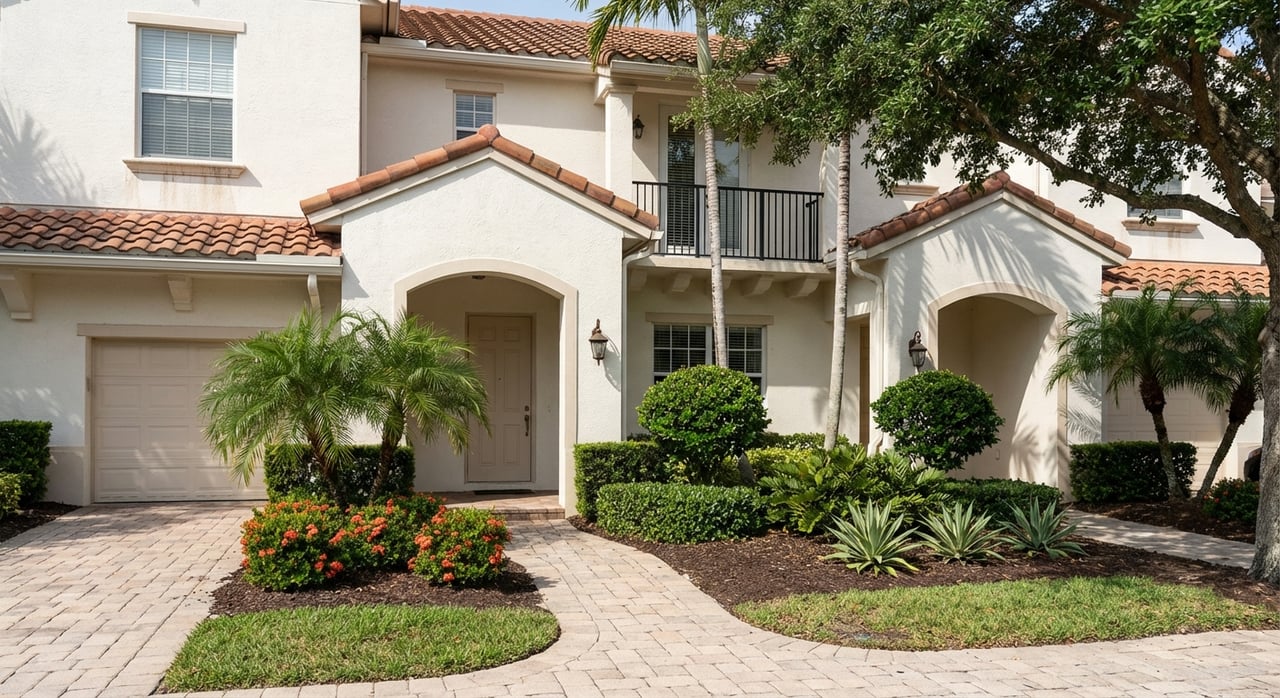
Are all those shiny model homes in Riverview and Apollo Beach making you wonder how your Brandon home can stand out? You are not alone. Many Brandon sellers face new construction just a few miles away and worry that buyers will choose “brand new” over “well loved.” In this guide, you will learn how to prep, price, and market your home so buyers see your place as the best overall value. Let’s dive in.
Know your Brandon market
As of January 31, 2026, Brandon’s average home value sits near $350,433 according to the Zillow Home Value Index. Other sources show a higher median listing price near $384,900 and varying days on market in the 49 to 71 day range, depending on the dataset and neighborhood. The takeaway is simple: well-prepared homes still move, but pricing and presentation matter more than in 2021’s rapid seller conditions.
You are also competing with new communities close by. Buyers touring Brandon often swing through nearby Riverview and Apollo Beach master-planned neighborhoods, including builder enclaves like Ventana and Waterset. For context, you can see how a local builder community is positioned by reviewing a Riverview example like the Enclave at Ventana by Lennar. New builds market convenience, incentives, and modern finishes that you should anticipate and plan for.
- Example new-build community context: Enclave at Ventana by Lennar in Riverview
Why buyers lean new builds
New construction has a clear appeal. As a seller, you will do better when you understand the draw and speak to it in your pricing and marketing.
- Worry-free perception. Buyers equate “new” with low maintenance, fresh systems, and a builder-backed warranty. Many builders offer a 1-2-10 style warranty structure that reduces buyer anxiety.
- Modern features. Model homes highlight open layouts, energy-efficient windows, newer HVAC, and smart-home tech. Those features set expectations for look, function, and monthly utility costs.
- Incentives and financing help. Across 2024 to 2026, most builders have offered incentives like rate buydowns and flex cash on quick-move-in homes. That shifts buyer focus from list price to the monthly payment and net cost.
Helpful references:
- Builder incentive trends: NAHB on incentives and pricing
- Rate buydowns and incentive examples: Monthly cost focus with new builds
What your resale can win on
Your home can absolutely compete when you spotlight advantages new subdivisions often lack.
- Location and lot maturity. Established streets, mature trees, and larger or more private lots are hard for new communities to match right away.
- Character and thoughtful upgrades. Custom millwork, upgraded outdoor living spaces, and finished bonus zones add real-world utility that a base-model home may not include.
- Faster, cleaner closings. When you provide a pre-listing inspection and clear documentation, you remove guesswork that buyers associate with older systems.
- Lower carrying costs. In some cases, established neighborhoods have lower HOA dues or no CDD fees. If your property fits that profile, make sure it is front and center in your marketing.
Prep that pays off
Competing with a model home means your house should feel crisp, move-in ready, and easy to understand. Focus your budget where buyers notice most.
Stage and elevate media
Professional staging is one of the best returns on prep. In NAR’s 2025 Profile of Home Staging, about 83% of buyer agents said staging helps buyers visualize living in a home, and many agents reported faster sales or slightly higher offers. Even targeted staging in a few rooms can make your photos pop and shorten time on market.
- Evidence on staging impact: NAR staging findings
Pair staging with pro visuals. At a minimum, invest in professional photos, a detailed floor plan, and a short walkthrough video. If your lot, trees, or nearby amenities are a strength, add aerial photos for context.
- Why media matters: How imagery boosts showings
High-ROI cosmetic refreshes
You do not need a full gut remodel to compete with a model home, but you should neutralize dated cues.
Curb appeal. Fresh paint on the front door and trim, a clean garage door, and tidy landscaping create a strong first impression. Exterior projects often rank near the top for resale ROI nationally.
Kitchen and bath refreshes. Midrange updates like painted or refaced cabinets, new hardware, modern lighting, and updated counters can reset the feel without overspending.
Paint, flooring, lighting. A cohesive, neutral wall color, durable LVP or refreshed wood floors, and contemporary fixtures go a long way.
ROI context: Cost vs. Value highlights
Agent guidance on simple updates: NAR staging insights
Florida insurance and documentation
In Florida, roof age and wind-mitigation features matter for both buyers and insurers. If you can document impact-rated windows or doors, roof reinforcements, or other eligible improvements, showcase them prominently. Consider a wind-mitigation inspection through My Safe Florida Home, which may also offer matching grants for certain upgrades.
- Program details: My Safe Florida Home
Round it out with a neat pre-listing packet: your recent HVAC service record, water heater age, roof details, any permits pulled, and a fresh HVAC tune-up receipt. These items help buyers feel confident choosing your home when they compare it to “new.”
Price and concessions that compete
Price to the real comparison
Buyers do not compare list price in a vacuum. They compare monthly payment and net costs, including builder credits or temporary rate buydowns. When you set your price, consider how your home stacks up against a similarly sized new build, then prepare an apples-to-apples breakdown that accounts for incentives on both sides.
- Market context on incentives: NAHB summary
Remove buyer friction with smart concessions
A small, well-targeted concession often beats a big price cut.
Pre-listing inspection. Resolve simple items upfront and disclose the rest with your pricing. This reduces surprises and keeps negotiations focused on value.
Short-term home warranty. A one-year warranty can mimic the confidence of a builder warranty at a fraction of the cost, especially for older systems.
Pre-inspection overview: How inspections influence negotiations
Offer flexible timing
Builders can time possession closely. You can too. If your buyer needs a fast closing or a specific move date, flexibility on closing or temporary occupancy can tip the decision in your favor.
Marketing that beats models
Create hero assets
Your online presentation determines who schedules a showing. Use crisp, bright lead photos of your best spaces, a measured floor plan, and a short video tour. If the lot is a strength, add a few drone stills that show privacy and tree canopy.
- Why these assets matter: Buyer behavior and imagery
- Staging’s role in online performance: NAR staging report
Message directly against new builds
Lead with what buyers cannot get in many brand-new subdivisions: mature trees, a private backyard, larger or more unique lot shapes, existing outdoor living, and any lower monthly carrying costs. Back those claims with specifics like lot size, recent system updates with dates, and documentation you can hand a buyer at the showing. Keep your copy clean, neutral, and factual.
A 30–60 day Brandon plan
Use this simple timeline to get market-ready without wasting time or money.
- Days 0–7: Interview your agent. Review ZIP-level comps to set a pricing strategy. Order a pre-listing inspection if your home is more than 10 to 12 years old. Draft a punch list from the report.
- Days 7–21: Knock out high-ROI cosmetics: neutral paint, lighting swaps, deep clean, and landscape tidy. Schedule professional photos, a measured floor plan, and a short video.
- Days 21–35: Stage the living room, kitchen, and primary suite. Gather documentation for systems and any permits. Consider adding a one-year home warranty to include in your listing.
- Days 35–60: List with full media. Run a targeted open house weekend and digital ads. Monitor feedback, especially from buyers who are also touring models, and adjust price or terms if activity is slow.
Budget ranges vary by home and scope, but here are useful ballparks when competing with new builds:
- Pro photos, video, and floor plan: about $200 to $800
- Partial staging: about $500 to $2,500; full staging can exceed $1,500 to $4,000+
- Curb appeal refresh: about $500 to $3,000
- Minor kitchen or bath refresh: about $5,000 to $25,000
- Pre-listing inspection: about $300 to $600
References for approach and ROI:
- Visual impact: Imagery best practices
- Staging results and tips: NAR staging overview and Agent how-to
- ROI context: Cost vs. Value
- Pre-inspection benefits: HomeLight overview
- Florida wind-mitigation: My Safe Florida Home
Partner vendors that move the needle
- Professional photographer, videographer, and floor plan provider. Biggest online lift and showings conversion. Expect roughly $150 to $600 depending on add-ons like drone or 3D.
- Stager or staging consultant. Helps buyers visualize living in the space and can shorten days on market. Many sellers invest $500 to $3,000+ depending on scope. See NAR staging findings.
- Landscaper or curb-appeal specialist. Quick wins at the front door and lawn line make your photos pop. Exterior improvements routinely rank high for resale ROI. See Cost vs. Value.
- Painter, flooring pro, and lighting electrician. Neutral paint, consistent flooring, and modern fixtures refresh the whole home. Practical guidance here: NAR staging tips.
- Licensed contractor for roof or HVAC. In Florida, roof condition and air conditioning can make or break a deal. Document permits and invoices and explore wind-mitigation support via My Safe Florida Home.
- Home inspector and specialty inspections. A pre-listing inspection reduces negotiation surprises; consider termite or sewer scope if age or materials warrant. Learn more: Inspection FAQs.
- Thoughtful listing marketing and ad spend. Target weekend tours and open houses to likely new-build shoppers and key commute corridors. Test headlines that emphasize mature lots, privacy, and documented system updates.
Ready to compete and win
When you prep with intention, price to the true comparison, and market to your strengths, your Brandon home can go toe to toe with nearby new construction. Focus on curb appeal, crisp interiors, strong media, and transparent documentation. Then meet builder incentives with smart concessions and flexible timing to tilt buyer decisions your way.
Want a tailored, step-by-step plan and access to trusted local vendors? Connect with Jacqueline Toledo for a calm, data-informed strategy and bilingual service in English or Spanish.
FAQs
What is the Brandon market like now vs. new builds?
- Brandon values are in the mid-300Ks on average as of early 2026, and nearby Riverview and Apollo Beach offer active new-build options, so well-prepared, well-priced resales still sell but must compete on presentation and net costs.
Which updates have the best ROI when competing with new construction?
- Prioritize curb appeal, neutral paint, lighting, and midrange kitchen or bath refreshes, plus staging and pro media to maximize first impressions and online engagement.
How should I price my Brandon home against builder incentives?
- Build an apples-to-apples comparison that includes expected seller credits, any home warranty, and your buyer’s monthly payment alongside builder rate buydowns and flex cash.
How do I reduce buyer concerns about older systems and insurance in Florida?
- Offer a pre-listing inspection, provide service and permit records, document roof and wind-mitigation features, and consider a one-year home warranty to boost confidence.
What marketing assets matter most when buyers shop online?
- Professional photos, a measured floor plan, and a short video walkthrough are essential, with selective drone images if your lot, privacy, or setting are advantages.
Should I add a home warranty when selling near new communities?
- A one-year home warranty is a cost-effective concession that mirrors builder confidence and can keep negotiations focused on value instead of worst-case what-ifs.